How Termite Control Services Reduce the Risk of Reinfestation

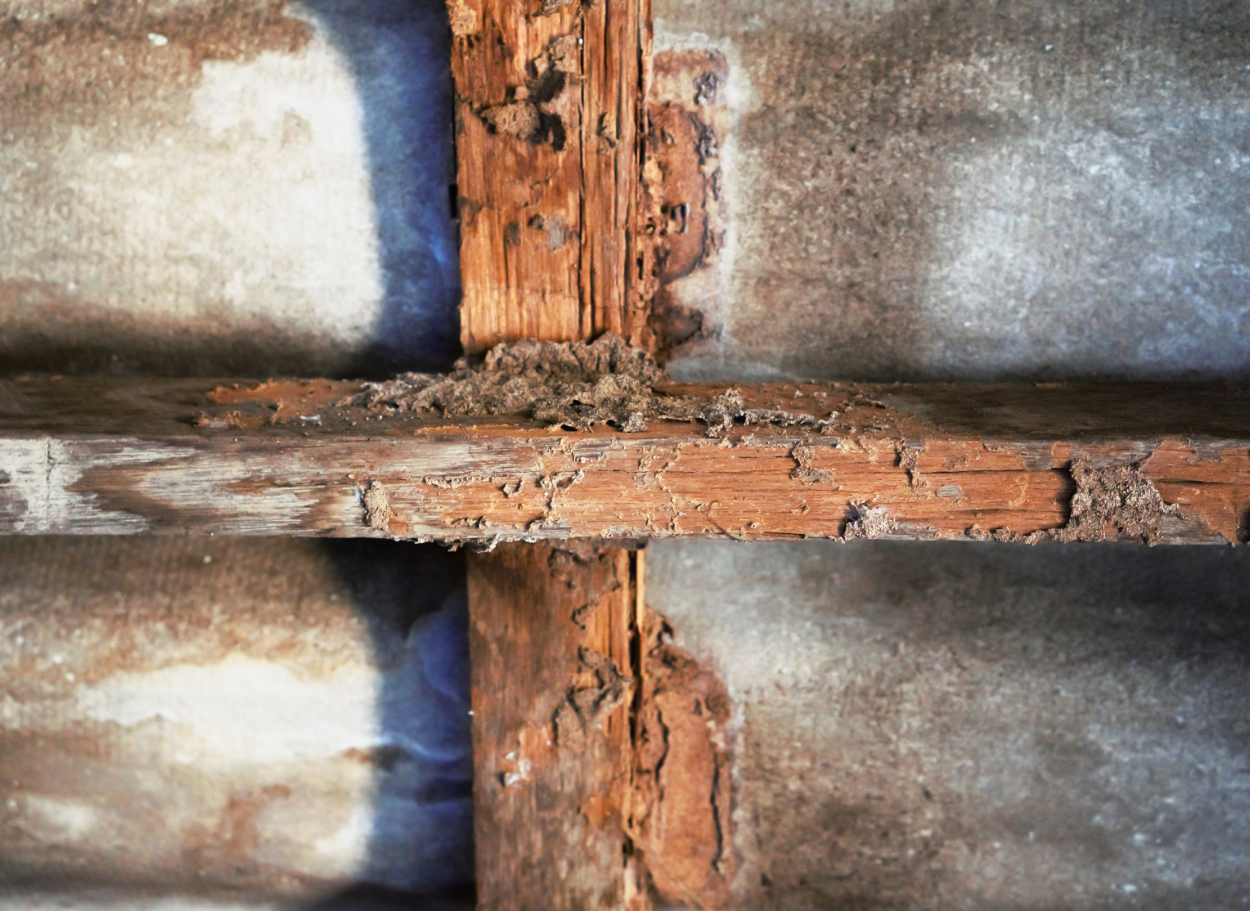
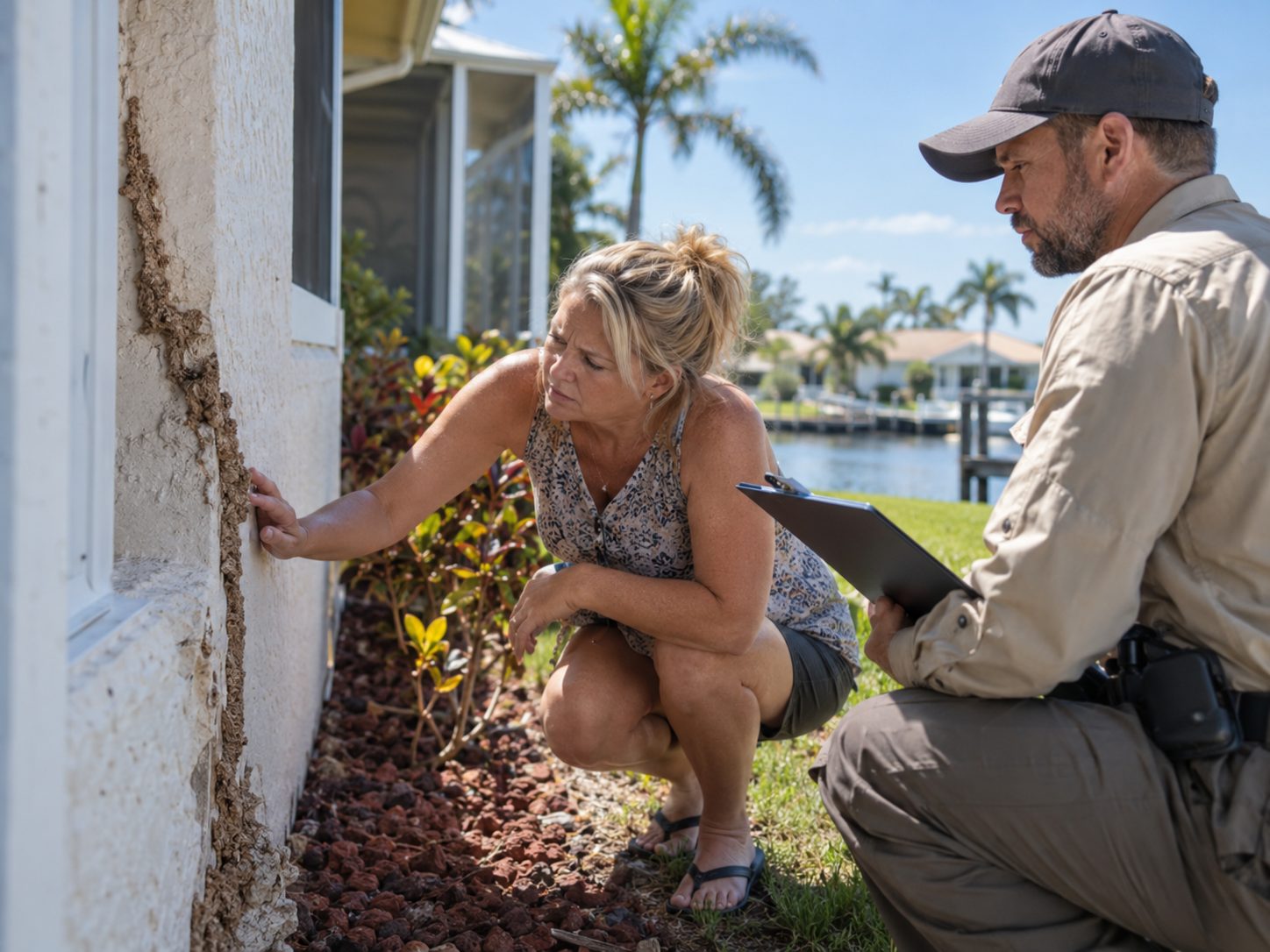
A termite problem rarely begins with obvious damage. In many homes, it starts quietly behind baseboards, under flooring, inside wall voids, or along a foundation where moisture and wood meet. By the time a homeowner notices blistered paint, sagging trim, or hollow sounding timber, the colony has often been active for months, sometimes years. That is exactly why professional termite work is not just about killing the termites you can see. The real value lies in reducing the chance that another colony, or a surviving part of the original one, comes back.
People often assume termites are a one time problem. Treat the house, replace the damaged wood, and move on. In practice, reinfestation risk depends on what kind of termite was present, how thoroughly the structure was inspected, whether hidden conditions were corrected, and how the treatment was designed. A quick spray around visible activity may knock down foraging termites, but it does very little to change the conditions that made the property attractive in the first place.
That is where well planned Termite Control Services make the difference. Good providers are not selling a single visit. They are building a layered defense around the property, then checking whether that defense is holding over time.
Reinfestation is not the same as treatment failure
This distinction matters. Homeowners often use the word "reinfestation" to describe any termites found after treatment, but there are several possibilities.
Sometimes the original colony was not fully eliminated. That can happen if treatment did not reach all active areas, if the species was misidentified, or if inaccessible construction details limited coverage. In that case, the issue is persistence rather than true reinfestation.
Other times, the initial colony is gone, but the conditions around the home still invite new activity. Subterranean termites can forage over large areas. Drywood termites can swarm and establish small starter colonies in attics, fascia boards, or trim. A house can be termite free in March and attractive again by the next warm season if moisture, wood contact, and access points remain unchanged.
Experienced technicians think about both problems at once. They are trying to stop current activity and lower the odds of future pressure.
Why termites return to some properties more than others
Not every home carries the same risk. Age, construction type, climate, landscaping, drainage, and maintenance history all matter. Slab homes can be difficult because plumbing penetrations, expansion joints, and hidden cracks can provide access that is hard to see. Crawl spaces create a different set of challenges, especially where humidity runs high and ventilation is poor. Older homes with additions are another common trouble spot because treatment barriers may be inconsistent around the structure.
The highest risk properties usually share a few practical conditions. The soil stays damp for long periods. Mulch is piled too high against siding. Deck posts, lattice, or fence lines touch the structure. Stored lumber or cardboard sits under the home. Downspouts discharge near the foundation. Leaks in bathrooms, kitchens, or rooflines remain unresolved. None of these issues guarantee termites, but together they create exactly the environment foraging colonies prefer.
A proper termite program reduces risk by dealing with those structural and environmental factors, not by relying on chemicals alone.
Inspection is where reinfestation prevention really starts
The most important part of termite work is often the part homeowners see the least. A detailed inspection tells the technician where the termites are active, how they are entering, what conditions are supporting them, and what type of system will actually hold up over time.
A rushed inspection tends to miss the reasons termites succeed. I have seen homes treated around the outside perimeter while a leaking shower pan was steadily soaking the subfloor inside. The treatment reduced activity for a while, but the wet wood remained. Months later, the homeowners found fresh damage in the adjacent room and assumed the product had failed. The bigger issue was that the infestation pressure had never really been removed.
Good inspections look at more than damaged wood. They pay attention to mud tubes, shelter tubes in expansion joints, cellulose debris under crawl spaces, grade levels against siding, utility penetrations, attic framing, and any place where moisture lingers. They also consider the structure as a system. Where does water move? Where does wood sit too close to soil? Which areas will be difficult to monitor later? Those details shape a treatment plan that is less likely to leave weak points.
Species matters more than most homeowners realize
Not all termite control approaches work equally well on all termites. Subterranean termites, drywood termites, and dampwood termites behave differently, and each creates a different reinfestation profile.
Subterranean termites live in the soil and travel into structures to feed. Because they depend on contact with moist ground, prevention often focuses on creating treated zones, using baiting systems, correcting moisture issues, and reducing direct pathways into the building. With this species, the long term goal is to interrupt access and colony pressure.
Drywood termites are different. They do not need soil contact. They can enter through tiny cracks, unfinished wood edges, attic vents, and eaves. A home can have excellent soil treatment and still develop a drywood issue in the roofline. Prevention here may involve localized wood treatments, structural fumigation in severe cases, sealing vulnerable gaps, and ongoing inspections for pellets and swarm evidence.
If the species is misidentified, the entire prevention strategy can be off target. That is one reason professional Termite Control Services reduce reinfestation better than casual or do it yourself treatment. They start with diagnosis instead of assumption.
Soil treatments create a defensive zone, but only when they are continuous
For subterranean termites, one of the strongest tools is a properly applied soil treatment around and, where needed, under the structure. The goal is not merely to put chemical in the ground. The goal is to establish a continuous treated zone that termites cannot easily bypass.
Continuity is the hard part. Foundations are rarely simple. There may be porches, steps, patios, garages, attached planters, plumbing entries, cracks in slabs, or additions built years after the original home. Every one of those features can create a gap in coverage if the technician is not methodical.
This is where professional experience shows. A seasoned applicator knows where drilling may be necessary, where trench depth matters, and where label restrictions or construction details require adjustments. They also understand that a "mostly treated" perimeter is not the same as an effective barrier. Termites do not need a large opening. A small untreated section near an expansion joint or bath trap can be enough to allow access.
When homeowners are comparing providers, this is one of the questions worth asking: how will you handle the difficult areas around my structure? The quality of that answer says a lot about reinfestation risk.
Baiting systems help detect pressure before damage becomes serious
Bait stations serve a different purpose than liquid treatments, and in many cases they work best as part of a broader program. They are designed to intercept foraging termites around the property and exploit termite biology to reduce colony activity.
Their biggest advantage for reinfestation prevention is monitoring. A bait station can show that termites are active in the vicinity before the homeowner sees damage indoors. That early detection changes the timing of the response. Instead of finding out after trim has been hollowed out or flooring begins to cup, the technician can respond when pressure is still outside the home.
Bait systems do require maintenance. Stations need to be checked, cleaned, rebaited, and interpreted by someone who knows what they are seeing. A neglected bait program offers much less value than a maintained one. But on high pressure properties, wooded lots, homes near prior termite activity, or places where liquid treatment is difficult to install continuously, baiting can significantly reduce the chance that a new colony establishes unnoticed.
Moisture control is often the hidden key to keeping termites away
Ask enough termite professionals about recurring problems and one theme appears again and again: water. Not every moist area gets termites, but chronic moisture dramatically improves their odds.
Leaking hose bibs, poor gutter discharge, condensation under HVAC lines, plumbing drips in crawl spaces, wet mulch against siding, and negative grading all increase termite appeal. Wood that stays damp is easier for termites to exploit. Humid crawl spaces also create favorable conditions for fungi and decay, which can mask or compound termite damage.
This is why strong Termite Control Services usually include recommendations that sound more like building maintenance than pest control. Repair the leak. Lower the soil line. Extend the downspout. Improve ventilation. Remove the scrap wood under the deck. Those recommendations are not add ons. They are part of prevention.
I have seen homes where the chemical treatment was technically sound, but the owner ignored repeated drainage warnings. Two rainy seasons later, the structure had fresh activity at a corner where water pooled against the foundation. The product was not the whole issue. The site conditions kept inviting trouble.
Wood to soil contact gives termites an easy bridge
Subterranean termites are built to exploit shortcuts. When siding touches mulch, when porch framing sits close to grade, or when fence components are Termite Control Services attached directly to the house, termites gain a hidden route that can bypass parts of a treatment zone and reduce how visible their entry path will be.
This is one of the simplest reinfestation risks to understand and one of the most commonly ignored. Homeowners often focus on the interior signs because that is where damage becomes obvious. The technician, meanwhile, is looking outside at that flower bed mounded against the stucco weep screed or the stacked firewood tucked beside the garage.
Removing wood to soil contact does not always mean major reconstruction. Sometimes it means cutting back grade, creating inspection clearance, moving stored materials, or changing landscaping details that have crept too close to the structure over the years. Small corrections can make a meaningful difference because they expose termite pathways and force colonies to cross treated or inspectable areas.
Follow up visits are where prevention becomes real
A single treatment, even an excellent one, is only one moment in the life of a property. Houses move. Soil settles. Landscaping changes. Owners install patios, replace irrigation, add planters, or run new utility lines. Any of those changes can alter termite pressure or compromise the original design.
Follow up inspections catch those shifts. They also help determine whether a treatment is performing the way it should. Fresh mud tubes may suggest ongoing pressure at a specific point. A previously dry crawl space may suddenly show elevated moisture after a plumbing issue. New swarm evidence may indicate drywood activity that was not part of the earlier problem.
This is why service agreements and annual inspections have practical value beyond warranty language. They create a routine for checking whether prevention measures still fit the structure as it exists now, not just as it looked on treatment day.
What homeowners should do after treatment
Professional treatment lowers risk, but homeowners still influence the outcome. The best post treatment results usually come from cooperation between the service provider and the property owner.
- Keep mulch, soil, and decorative stone below siding or stucco termination points so the foundation remains visible.
- Fix leaks quickly, especially in crawl spaces, around baths, and at exterior spigots or irrigation lines.
- Avoid stacking firewood, cardboard, or scrap lumber against the house or under decks.
- Leave bait stations and inspection areas accessible, even after landscaping or remodeling.
- Schedule the recommended follow up inspections rather than waiting for signs of damage.
These steps are not dramatic, but they reduce the number of opportunities termites have to reenter unnoticed.
The role of repairs in reducing future activity
After termite treatment, many owners focus on replacing damaged wood for cosmetic reasons. Repairs do matter visually, but they also play a role in prevention when handled correctly.
If damaged framing, trim, or sheathing is left in place without evaluating why it became vulnerable, the home may continue to present easy targets. On the other hand, ripping out wood too early can disrupt active monitoring if treatment has not had time to work. Timing matters. So does material choice. In some areas, pressure treated wood, physical barriers, or better flashing details can reduce future susceptibility.
A thoughtful contractor and pest professional usually communicate before major repairs begin. They coordinate around access, treatment timing, and whether concealed spaces need to remain open temporarily for reinspection. That coordination is one of the less visible ways professional termite programs reduce reinfestation. It prevents the house from being closed up over unresolved conditions.
Not every property needs the same level of protection
There is always a balance between cost, risk, and practicality. A newer home on a dry lot with good clearance and no Termite Control Services history of activity may need a different program than an older house in a humid region with dense landscaping and prior infestations.
That does not mean cheaper is always worse or that the most aggressive option is always necessary. It means the service plan should match the exposure. Some homes benefit from a comprehensive liquid treatment and annual inspections. Others may do well with a baiting system plus moisture correction and targeted treatment in vulnerable areas. Severe drywood infestations may call for whole structure fumigation, while isolated issues may respond to localized methods.
What matters is that the recommendation reflects the structure, species, and site conditions, not a one size fits all sales script.
Questions worth asking when choosing a provider
The difference between a treatment that merely addresses today's activity and one that lowers reinfestation risk often comes down to planning and follow through. When evaluating Termite Control Services, a few questions can reveal whether the company is thinking long term.
- What termite species do you suspect here, and what evidence supports that?
- How will you handle hard to reach or obstructed areas around the structure?
- What conditions around the property are increasing risk, and which should be corrected first?
- What does your follow up schedule look like after treatment?
- If activity is found later, how will you determine whether it is new pressure or persistent activity from the original problem?
The answers should sound specific to your home. Vague assurances are easy. A provider who talks clearly about moisture sources, construction details, treatment continuity, and monitoring usually understands what keeps termites from coming back.
Why warranties matter, and where they do not
Homeowners understandably look for warranty protection, and it has value. A good warranty can reduce the financial sting of retreatment and encourage regular inspections. Still, a warranty is not the same as prevention.
Some people focus so heavily on the paperwork that they overlook the treatment design behind it. The stronger question is not only "What does the warranty cover?" But also "What is being done to make claims less likely?" A weak treatment with a generous sounding warranty may still create a frustrating cycle of callbacks, repairs, and recurring concern. A better designed program often produces fewer surprises in the first place.
Read the terms carefully. Understand whether annual renewal is required, whether damage repair is included or only retreatment, and what homeowner responsibilities apply. Then weigh those details against the company’s inspection quality and site specific recommendations.
The homes that stay termite free usually share the same pattern
They are not always the newest homes or the most expensive ones. More often, they are the ones where someone paid attention. The infestation was correctly identified. The treatment matched the termite species. The foundation and vulnerable areas were covered thoroughly. Moisture problems were addressed. Landscaping was kept from hiding key inspection zones. Follow ups happened on schedule.
That pattern is what professional termite prevention looks like in real life. It is less about a miracle product and more about disciplined layers of protection. Chemical treatment may be one layer. Baits may be another. Drainage correction, clearance, repairs, and ongoing monitoring complete the system.
When people ask how Termite Control Services reduce the risk of reinfestation, the shortest honest answer is this: they make it harder for termites to enter, easier to detect them early, and less likely that the property will keep attracting them. That combination is what turns treatment into long term control.
Maximum Pest Control
836 NE 7th Terrace Suite #5
Cape Coral, FL 33909
+1 239-772-7363
FAQ About Termite Control Services
What are two signs of a termite infestation?
Mud tubes along a foundation and piles of shed wings near doors or windows are two signs to investigate. Mud tubes are associated with subterranean termites. A licensed inspector can identify the insect and assess whether there is active infestation.
How many years does a termite treatment last?
There is no single timeline for all treatments. The method, site conditions, and maintenance affect how long protection lasts. Bait systems rely on monitoring and service. Ask the provider for the recommended inspection schedule and the terms of any coverage.
Is Termite Treatment Expensive in Cape Coral?
Cost depends on the termite species, the size and construction of the property, the extent of activity, and the treatment method. Request a written estimate after inspection and ask whether monitoring, follow-up visits, and renewals are included.
Ends · LANEUAYI713